Recipes and hope
for every
Parkinson's mealtime
Built for patients, caregivers, and families navigating Parkinson's disease — one nourishing meal at a time.
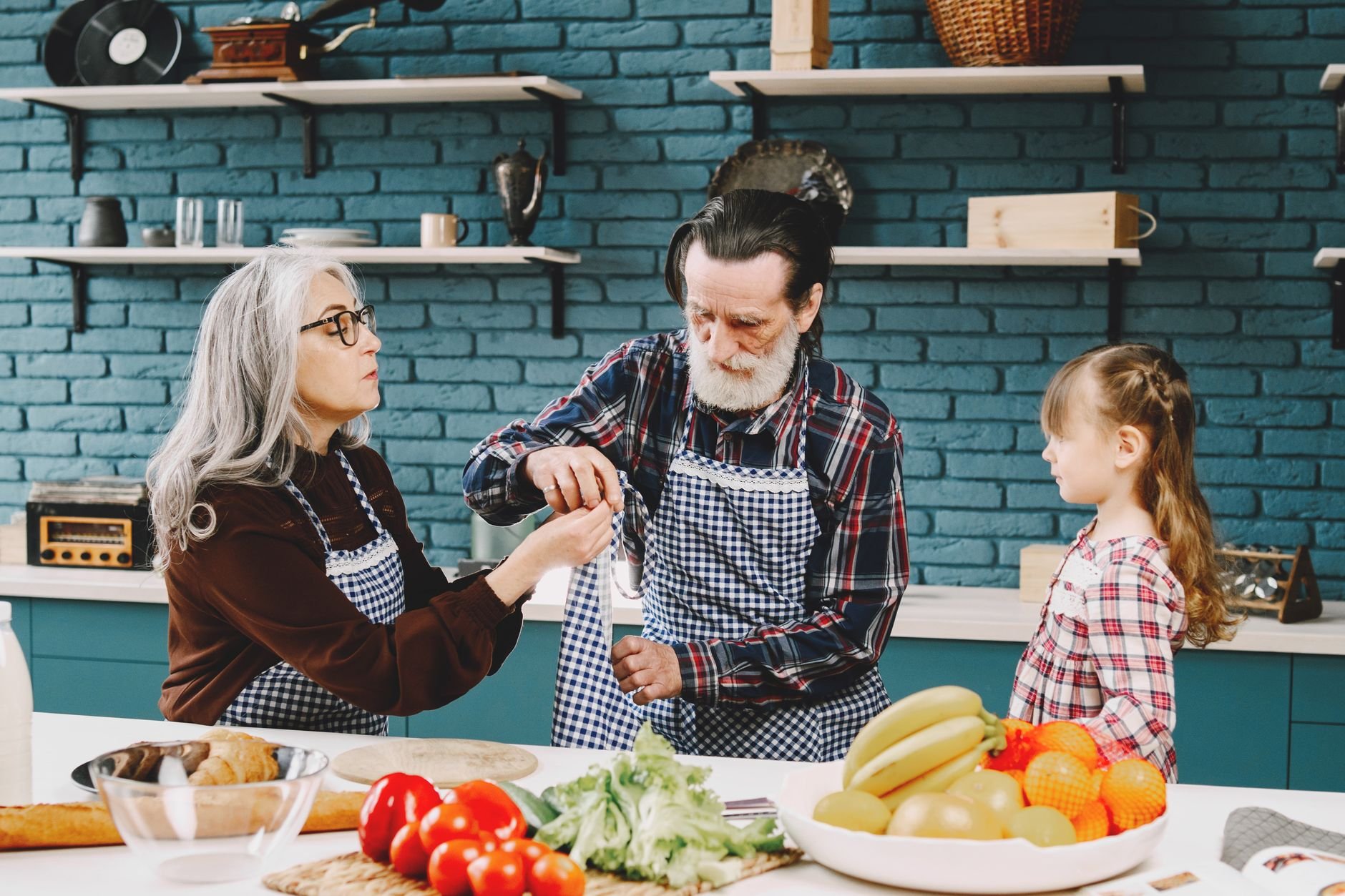
A kitchen companion for the Parkinson's journey
Nourishing meals, hopeful hearts, one recipe at a time.
Good food doesn't stop mattering when illness arrives. It matters more.
Why this kitchen exists
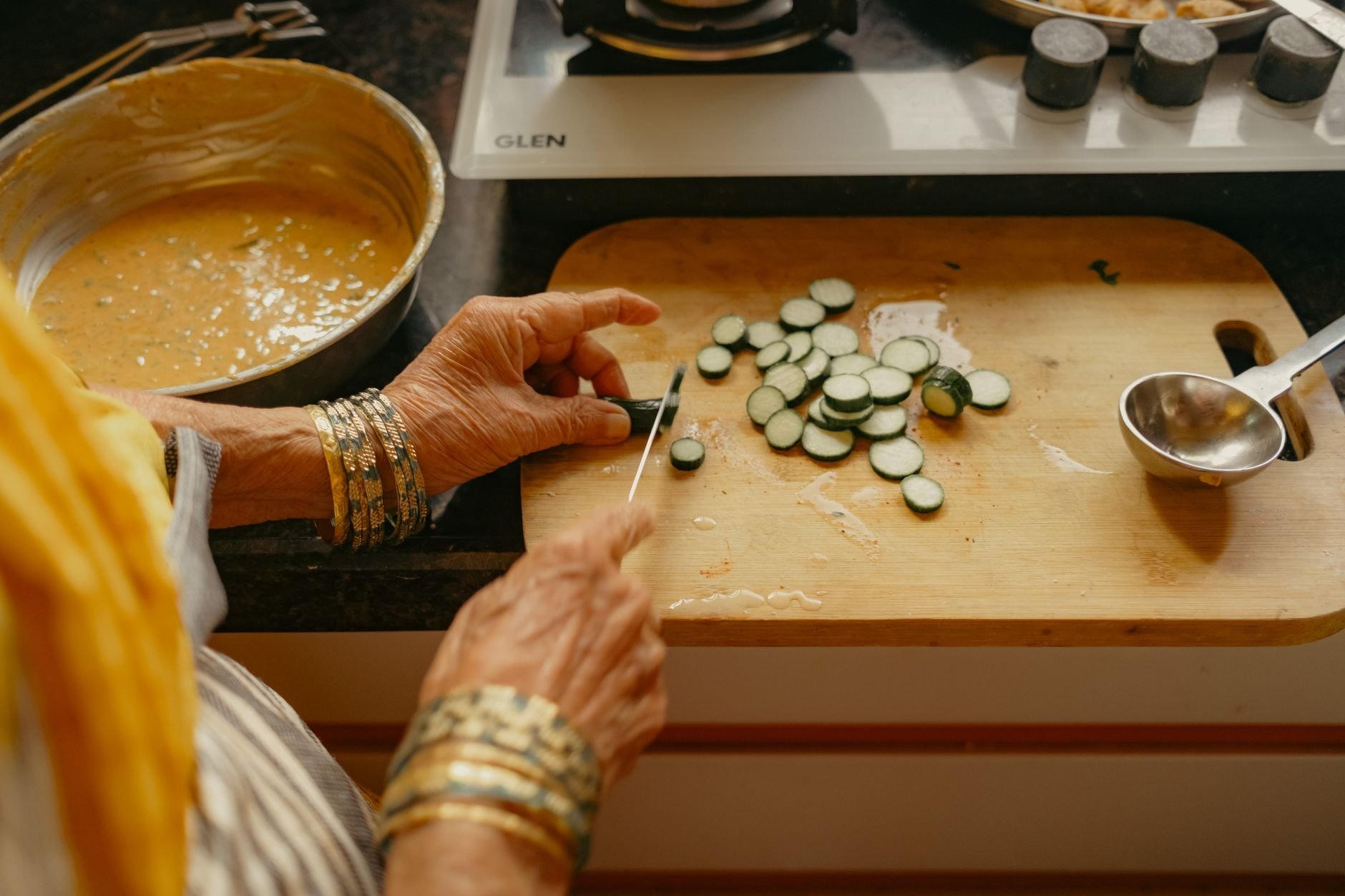
The kitchen as a place of care
Parkinson's changes the kitchen. It doesn't have to take it away.
Parkinson's disease reshapes so much of daily life — tremors make chopping difficult, swallowing challenges limit what feels safe to eat, and fatigue makes elaborate cooking impossible. For patients and the people who care for them, mealtimes can shift from joyful to stressful almost overnight.
Wisdom & Whisks was created to change that. We believe the kitchen can remain a place of warmth, creativity, and genuine nourishment — even in the middle of a hard season. Every recipe and article here is written with that belief at the center.
Fresh ingredients, chosen with care
Nutrition that speaks to the Parkinson's experience
Not all nutritional advice is created equal — and much of it ignores the specific challenges that come with Parkinson's disease. We focus on what research and experience together show actually helps: the role of the MIND diet, the importance of fiber, hydration, protein timing around medication, and foods that support brain health.
We explain it all in plain language, without medical jargon, because the goal is a better Tuesday dinner — not a biochemistry lecture.
Four pillars, one welcoming kitchen
Questions we hear most often
Are these recipes safe for someone who has trouble swallowing?
Swallowing difficulties (dysphagia) are common with Parkinson's, and we keep that in mind throughout our recipe collection. Many of our recipes are naturally soft or can be easily modified. We also publish dedicated articles on dysphagia-friendly cooking, texture modification, and when to speak with a speech-language therapist about a formal swallowing assessment. We are a culinary resource, not a medical provider — so for a personal swallowing plan, your healthcare team is your best partner.
What is the MIND diet and why does it come up so often here?
The MIND diet (Mediterranean-DASH Intervention for Neurodegenerative Delay) is an eating pattern that research has linked to slower cognitive decline. It emphasizes leafy greens, berries, whole grains, fish, beans, nuts, olive oil, and poultry while limiting red meat, butter, cheese, pastries, and fried food. We reference it often because it aligns closely with what current evidence suggests may support brain health — and because many of its foods are also gentle, nourishing, and genuinely delicious.
Should I avoid protein at certain times of day because of medication?
This is one of the most important nutrition questions for people taking levodopa (a common Parkinson's medication), because protein can interfere with how the drug is absorbed. Some people find it helpful to eat lower-protein meals at the times of day when they take their medication, and higher-protein meals later. However, timing strategies vary by individual and medication schedule. We cover this topic in our nutrition articles, and we strongly encourage you to discuss your personal protein timing with your neurologist or a registered dietitian who works with Parkinson's patients.
I am a caregiver, not the patient — is this site useful for me?
Absolutely, and in many ways it is written especially for you. Caregivers often do the shopping and cooking, navigate mealtimes under emotional and logistical pressure, and have very little time to research specialized diets. Our recipe notes explain why each dish works well for Parkinson's, so you can make informed swaps on the fly. We also publish articles specifically on the caregiver experience, because the person making the meals needs support too.
How often is new content published?
We publish new recipes and articles regularly. The best way to stay current is to subscribe to our weekly newsletter, which gathers the newest content — recipes, seasonal tips, and a short note of encouragement — into one email each week. You can sign up anywhere on this page.